-
auditwpmedia auditwpmedia
- 16 de Janeiro, 2026
Understanding the psychology behind gambling behavior in casinos
The Allure of Gambling: A Psychological Perspective
The psychology behind gambling behavior is complex and multifaceted, drawing individuals in through a combination of excitement, risk, and the possibility of reward. Casinos are meticulously designed environments that leverage psychological triggers to enhance the gambling experience. Bright lights, captivating sounds, and the anticipation of winning all work together to create a stimulating atmosphere that encourages prolonged engagement. For those looking for alternatives, bookmakers not on gamstop offer an engaging experience.

This sensory overload can lead to what psychologists call “temporal dislocation,” where players lose track of time and become engrossed in the activity. Such immersive experiences are often enhanced by the availability of complimentary services, such as free drinks or meals, which can reinforce the desire to stay and play longer, even if the odds are stacked against the player.
The Role of Cognitive Biases in Gambling
Cognitive biases play a crucial role in gambling behavior, shaping how individuals perceive their chances of winning and their overall experience. One common bias is the “gambler’s fallacy,” which leads players to believe that past outcomes can influence future results. For example, a player might think that because a slot machine hasn’t paid out recently, it is “due” for a win, despite the randomness of the game’s outcome.
Additionally, the illusion of control can cause gamblers to overestimate their ability to influence results, leading to increased risk-taking. This sense of control can be particularly pronounced in games like poker, where players believe their skills can affect the outcome, reinforcing their engagement and commitment to the game.
The Impact of Social and Environmental Factors
The social context of gambling also significantly influences behavior. Many individuals gamble in groups, and the social reinforcement they experience can heighten their enjoyment and willingness to take risks. The presence of friends or acquaintances can create a sense of camaraderie, making the experience more enjoyable and encouraging players to bet more than they might alone.
Furthermore, the physical environment of a casino plays a pivotal role in shaping behavior. Features such as the layout of gaming tables, the positioning of slot machines, and the overall ambiance all contribute to an enticing gambling experience. Elements such as the proximity to food and drink, comfortable seating, and engaging entertainment options are all designed to keep players on the floor longer, further solidifying their gambling habits.
The Role of Rewards and Reinforcement
The concept of reinforcement is central to understanding gambling behavior. Casinos employ various reinforcement schedules, which reward players at unpredictable intervals, maintaining excitement and engagement. This unpredictability is a key factor in why players continue to gamble, as they are often driven by the potential for big wins that feel just around the corner.
Moreover, the dopamine release associated with wins, even small ones, creates a pleasurable experience that players become conditioned to chase. Over time, the brain associates gambling with positive feelings, reinforcing the behavior and making it difficult for individuals to walk away, even after experiencing losses.
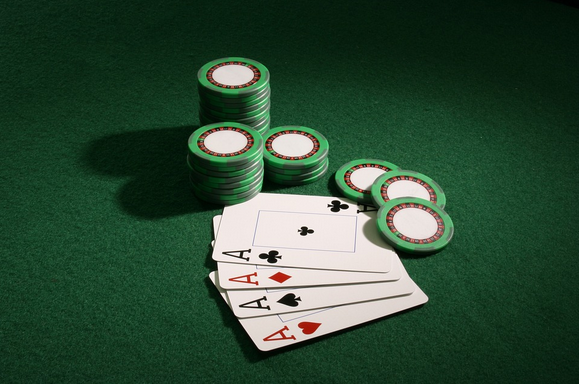
Understanding Responsible Gambling
As awareness of gambling behavior evolves, it becomes increasingly important for both players and casinos to prioritize responsible gambling practices. Encouraging self-awareness and understanding the psychological factors at play can help individuals make informed decisions about their gambling habits. Casinos can also implement measures to promote responsible gambling, such as providing resources and support for those who may be struggling.
Educational initiatives that focus on the psychology of gambling can empower players to recognize cognitive biases and make more rational choices. Ultimately, fostering a culture of responsible gambling not only benefits players but also contributes to a healthier gaming environment, ensuring that the excitement of casinos remains enjoyable and safe for everyone involved.